
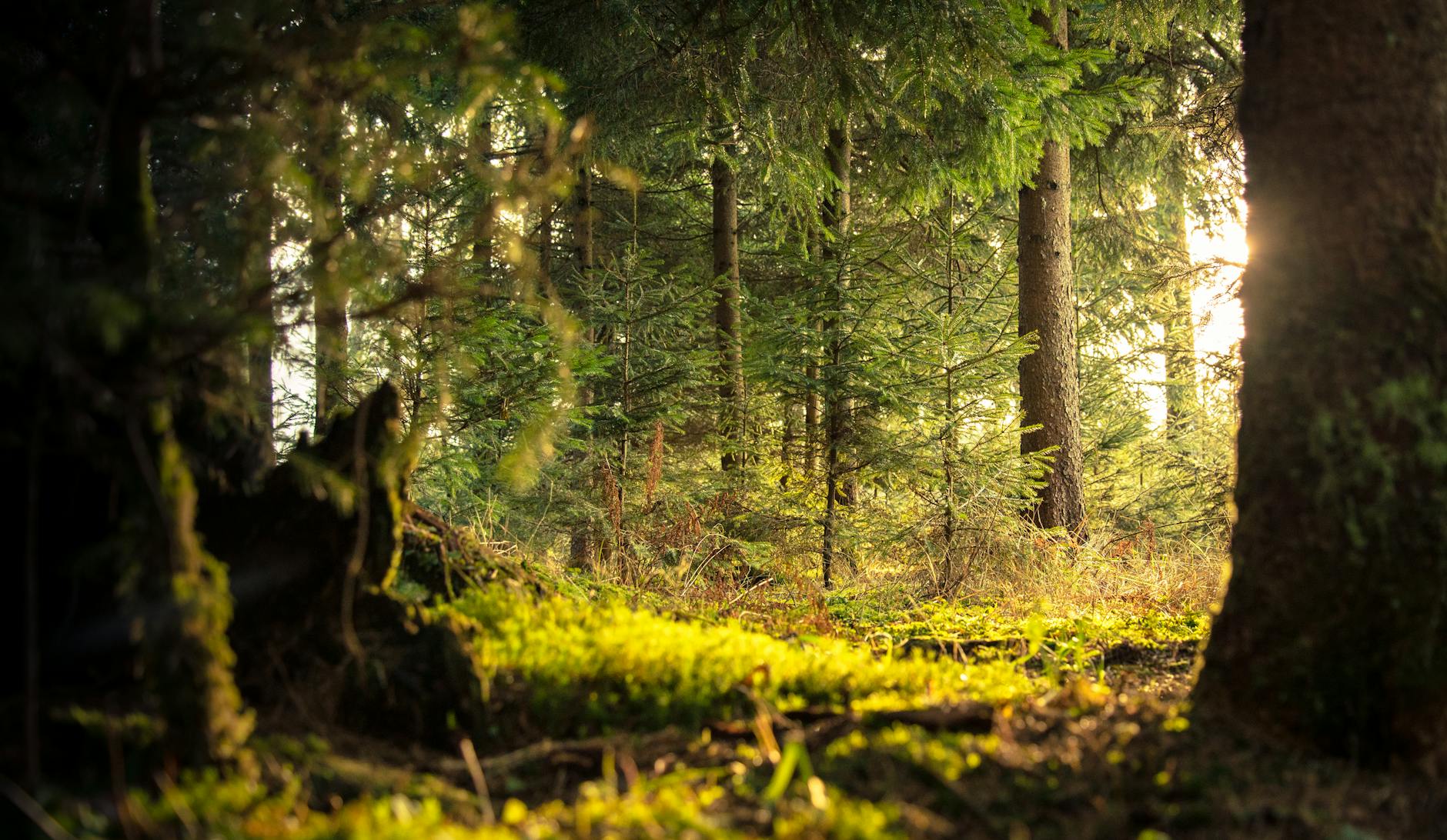
For centuries, people have been warned against whistling in the woods after dark. Folklore from around the world claims that whistling can summon spirits, attract supernatural beings, or even invite misfortune. But where did this superstition originate, and is there any truth behind it? Let’s explore the myths, legends, and possible explanations for why whistling in the woods is feared.
The Legends Behind the Superstition
Many cultures share similar warnings about whistling in the wilderness. Some believe it calls upon restless spirits, while others claim it invites creatures best left undisturbed.
- The Whistling Spirits (Japan) – In Japanese folklore, whistling at night is believed to attract the attention of yokai (supernatural beings), who may bring misfortune or lead the whistler astray.
- El Silbón (South America) – A terrifying legend from Venezuela and Colombia tells of El Silbón, a cursed spirit who whistles an eerie tune before attacking those who hear it.
- The Skinwalker Warning (Indigenous American Folklore) – Some Indigenous American traditions caution that whistling at night can summon skinwalkers, malevolent shapeshifters that mimic human voices.
- The Forest Guardians (European Folklore) – European tales suggest that whistling in the woods can disturb the spirits of the land, angering fairies or ancient protectors.
Why Do People Fear Whistling at Night?
Aside from mythology, there may be psychological and environmental reasons why whistling in the woods feels unsettling:
- Echoes and Acoustics – The way sound carries in the forest can create eerie reverberations, making whistling seem unnatural or distorted.
- Wildlife Reactions – Some animals respond to whistling, either by becoming silent or mimicking the sound, which can create an eerie sensation.
- Primal Instincts – The dark, unfamiliar setting of the woods may heighten our senses, making us more susceptible to fear and superstition.
What Happens If You Whistle in the Woods?
According to different traditions, those who ignore the warnings may experience:
- Sudden changes in temperature or an unsettling silence.
- The sensation of being watched or followed.
- Unexplained shadows or lights appearing in the distance.
- Strange or distorted echoes returning their whistle.
Should You Try It?
Whether you view whistling in the woods as an innocent habit or a genuine risk, the superstition remains a powerful part of folklore. If you ever find yourself deep in the forest after dark, consider this: perhaps some myths exist for a reason.
Want to Know More? Explore our latest articles on folklore, supernatural legends, and eerie traditions, and browse our collection of haunted forest-inspired mystical merchandise!
Leave a Reply