
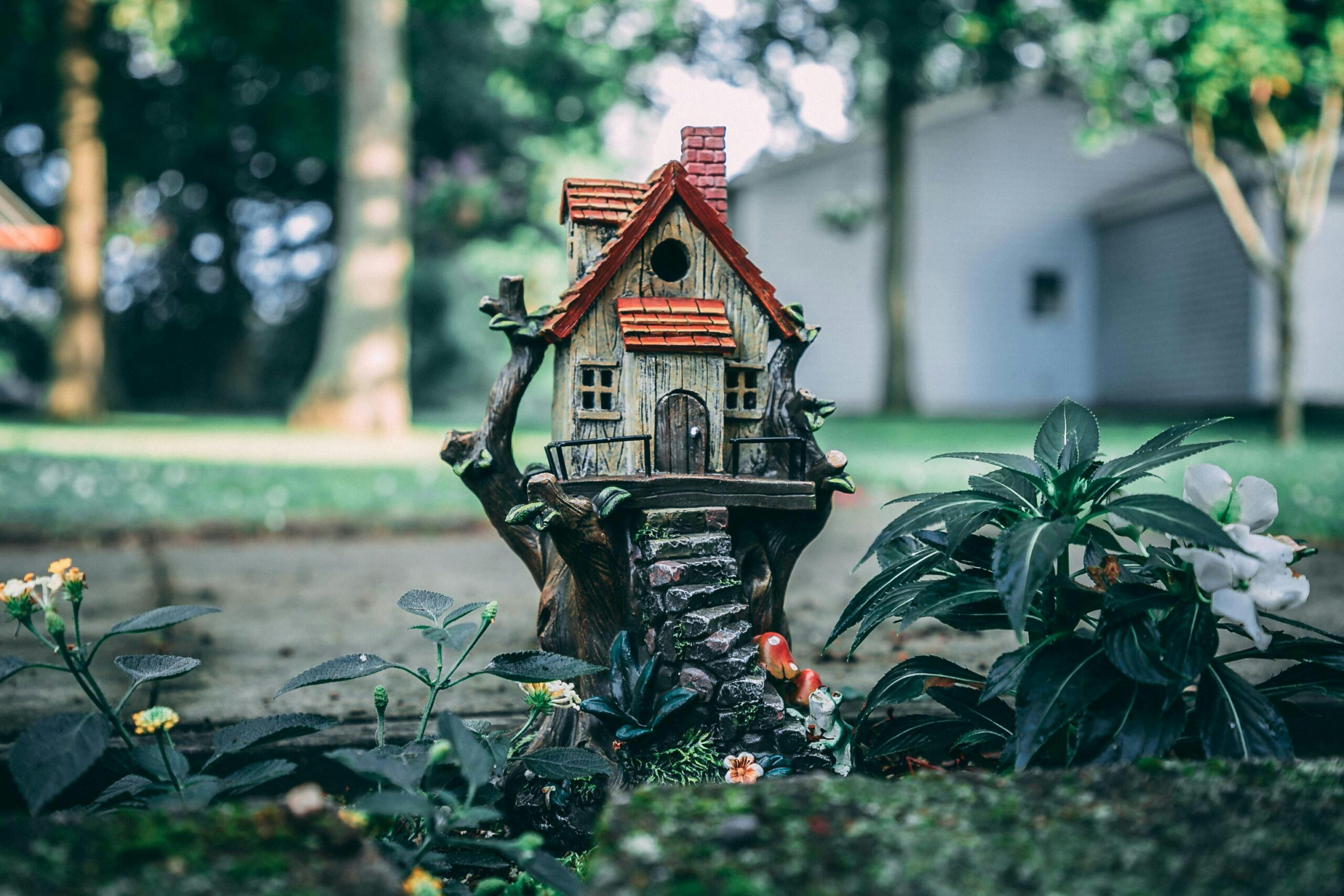
In the rolling green hills and mist-wrapped moorlands of the UK, stories still linger of flickering lights in the woods, whispers on the wind, and small, human-like figures that vanish when approached. Faeries—not the winged, glittery kind from children’s books, but the eerie, ancient kind—have long played a role in British folklore.
These are beings of nature and power, mischief and mystery, who don’t care if you believe in them. They’re already watching.
Today we take a stroll through the strangest faerie sightings in UK history, and the folklore that surrounds them.
🌿 What Are the “Real” Faeries?
Before the Victorian era softened them into delicate sprites, faeries were known as dangerous, unpredictable, and sometimes deeply vengeful spirits of the land. They go by many names:
- The Good People (Ireland)
- The Fair Folk (Scotland and Wales)
- The Gentry
- Sídhe (pronounced shee)
- Pixies (Devon and Cornwall)
They live in barrows, under hills, behind waterfalls, and in rings of mushrooms known as faerie rings. The old stories say: never step into a faerie ring. Never take their food. Never follow their music.
And above all—never thank them. It’s seen as an insult.
📍 Famous Faerie Sightings
🧚 Cottingley Faeries, Yorkshire (1917)
This is the most famous case, where two young cousins claimed to photograph faeries at the bottom of their garden. Even Sir Arthur Conan Doyle was convinced. The photos were eventually revealed to be faked—mostly. But the girls maintained for years that some of the faeries were real, and they had edited the truth to protect themselves.
Even in recent years, people have reported glimpses of movement and humming music in the same area.
🪵 The Isle of Skye, Fairy Glen (Scotland)
A natural landscape that looks like it’s been crafted by otherworldly hands. Many locals and visitors have reported:
- Strange lights or orbs
- Lost time or sudden fatigue
- A sense of being watched
Visitors are warned not to move the stones or disturb the spirals, as doing so is said to anger the fae.
🌲 The Forest of Dean, Gloucestershire
A hotspot for folklore, witchcraft, and faerie tales. Ramblers in the forest have reported:
- Small figures peering from trees
- Giggles echoing with no source
- Tiny handprints on car windows in the morning mist
Locals often leave offerings of milk or bread at the edge of the woods.
🌘 Are Faeries Still Seen Today?
While many faerie stories come from older folklore, sightings persist into the modern era.
From hikers who lose hours in ancient woods to children who speak of “the small lady in the hedge”, faerie encounters have been reported in:
- Cornwall
- The Lake District
- Northern Ireland’s Antrim Glens
- Dartmoor and Exmoor
Interestingly, these sightings surge around midsummer and Samhain, times when the veil is thought to be thinnest.
🔮 Signs You Might Be Near a Faerie
- You feel a sudden drop in temperature, though there’s no breeze.
- You hear music with no source, especially near standing stones or rivers.
- A path seems to twist unexpectedly, leaving you disoriented.
- You spot a perfect circle of mushrooms, untouched.
Pro tip: If you think you’re near faerie activity, leave a small offering—honey, milk, or wildflowers. And do not say “thank you.” Instead, say, “I honour you.”
🧚♀️ Want to Know More?
- Check out our free download: “How to Spot a Faerie Portal” (coming soon!)
- Visit our shop for protective charms and faerie-inspired art prints
- Coming up later this month: “Superstitions of St John’s Eve” and “The Witch’s Garden”—both tied to fae folklore
✨ Whether they’re real, symbolic, or something in between, faeries remind us the world is still wild—and watching.