
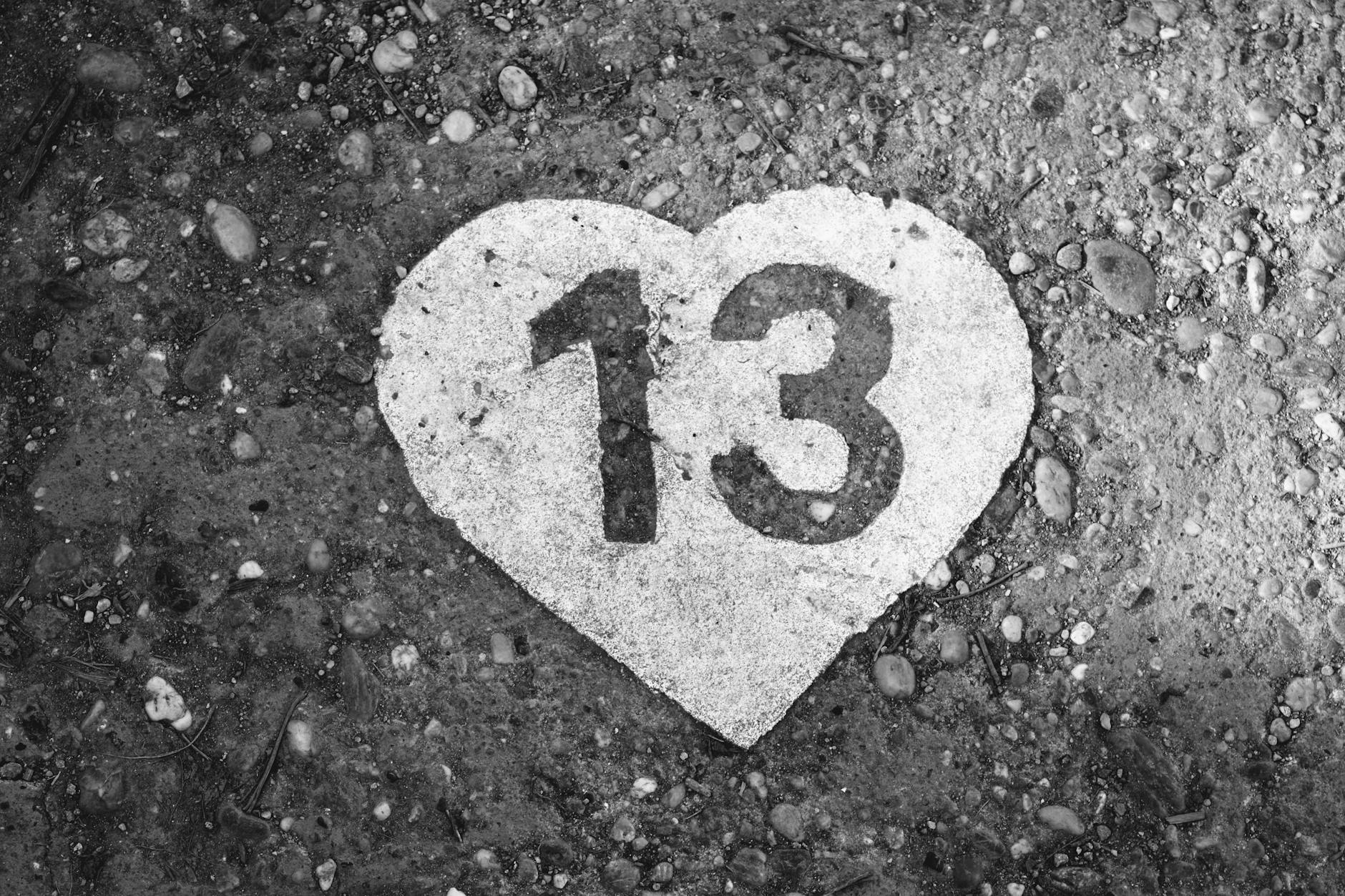
Superstition, Sorcery, and a Hint of Sacred Feminine
Friday the 13th: the date that makes hotels skip floor numbers, people hesitate to travel, and horror movies come to life. But where did this seemingly cursed combination come from? Why does it still tingle our spines and twist our thoughts, even in the modern age?
Today we’re taking a moonlit walk through history, myth, and magic to uncover the real roots of Friday the 13th—a day both feared and misunderstood.
☠️ The Superstition: Why Is It Unlucky?
The fear of Friday the 13th is so widespread it has its own name: paraskevidekatriaphobia (try saying that three times fast). Some people won’t book weddings, fly, or even leave the house on this day. But the idea of it being “unlucky” is relatively recent—and possibly misogynistic, mystical, and manufactured.
Let’s break it down.
📅 Why Friday?
In Christian tradition:
- Friday is said to be the day Eve gave Adam the apple, the day Jesus was crucified, and the day Abel was murdered by Cain.
- It was considered a day of sorrow or misfortune, especially by medieval clergy.
But in older traditions:
- Friday was sacred to goddesses like Frigg, Venus, and Freyja—figures of love, fertility, and feminine power.
- To fear Friday may have been part of a patriarchal effort to suppress feminine deities and lunar magic.
🔢 Why Thirteen?
Ah, the infamous 13—the number of the moon, the coven, and the wild.
- There are 13 lunar cycles in a year.
- A traditional witches’ coven has 13 members.
- In numerology, 12 represents completeness (12 months, 12 zodiac signs, 12 apostles), and 13 is seen as disruptive—the outsider.
Thirteen wasn’t always feared. In ancient cultures, it was sacred:
- The Egyptians considered the 13th stage of life to be ascension to the afterlife.
- The Mayan calendar operated on cycles of 13 days, and 13 was deeply spiritual.
🗡️ The Templar Theory
One of the most popular theories ties Friday the 13th to a real historical event:
On Friday, October 13, 1307, King Philip IV of France ordered the mass arrest of the Knights Templar. They were tortured, executed, and accused of heresy and occult practices—though many believe the charges were false and politically motivated.
Some say the Templars cursed the king and the day, planting the seeds of the Friday the 13th fear.
🧙♀️ A Witchy Reclamation
In witchcraft and pagan traditions, Friday the 13th is a powerful day—not unlucky at all. It’s a day for:
- Goddess worship (Friday = Freyja’s day)
- Lunar spells (13 = moon magic)
- Intuition, divination, and reclaiming feminine wisdom
This makes it the perfect time to light candles, pull tarot cards, or perform simple protection and empowerment rituals.
🔮 A Simple Friday the 13th Ritual
Turn superstition into strength with this easy charm:
You’ll Need:
- A black candle (for protection)
- A piece of silver (for lunar energy)
- A pen and small piece of paper
What to Do:
- Light your candle and sit in quiet reflection.
- On the paper, write something you wish to banish (fear, doubt, toxicity).
- Fold the paper and place the silver on top.
- Say:
“Thirteen moons, thirteen flames,
I cast away all cursed names.
What I fear, I now disown—
I claim the power that is my own.” - Burn the paper (safely) or bury it to complete the spell.
🧭 Want to Know More?
- Coming later this month: “The Witch of Wookey Hole” and “Superstitions of St John’s Eve”
- Visit the Haunted Wishes shop for Friday the 13th themed prints, spell kits, and protection charms
- Download our free 13 Moon Magic Guide (available soon)
✨ Maybe Friday the 13th isn’t cursed after all. Maybe it’s just misunderstood—like witches, like wild women, like the magic that refuses to be silenced.