
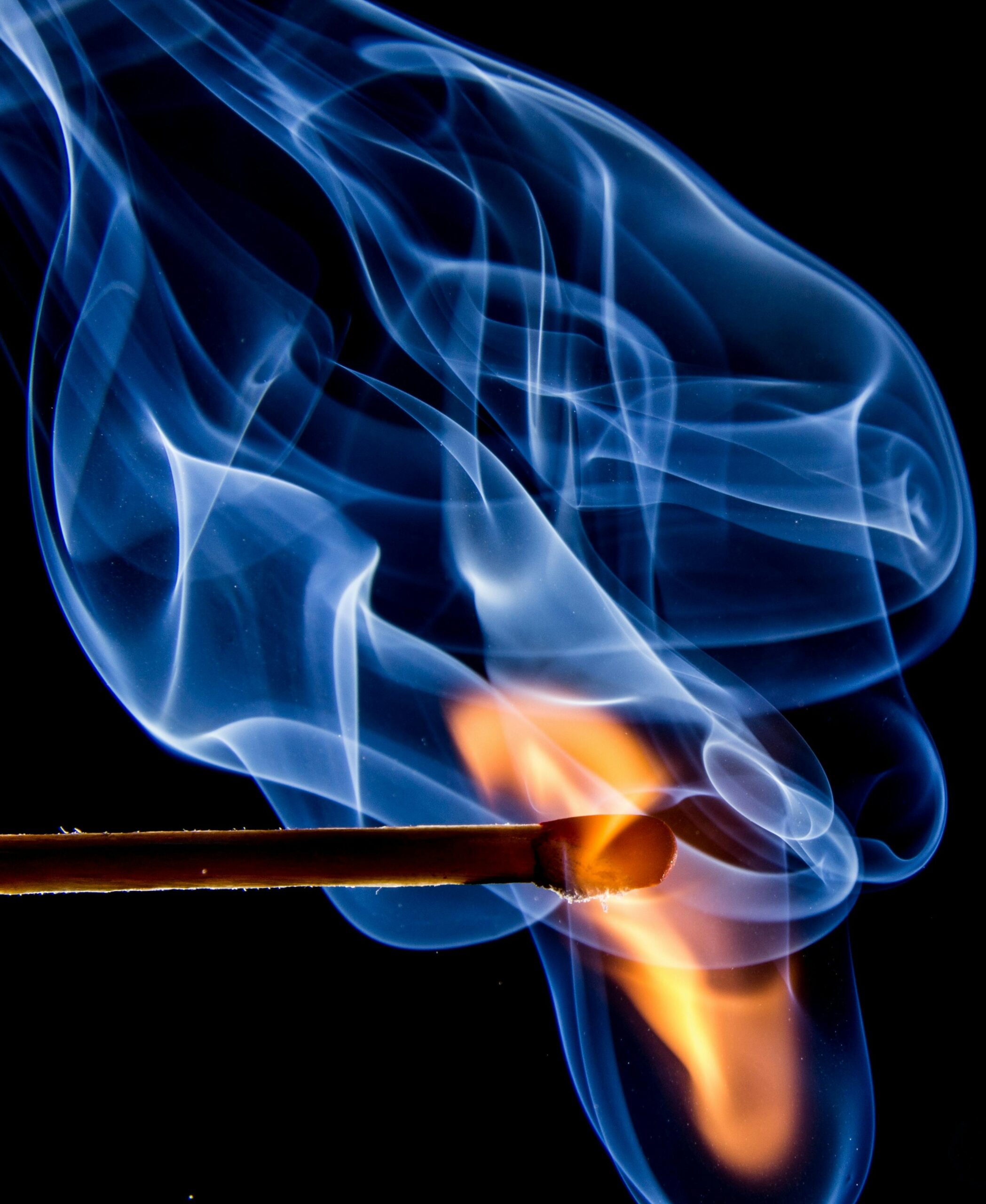
Folklore, Fire Spirits, and Glowing Lights That Lure the Lost
On warm summer nights, when the mist rises over marshes and moors, strange lights are said to flicker just beyond reach—glimpses of flame that dance through the darkness, always ahead, never caught.
Known across folklore as Will o’ the Wisps, these mysterious ghost lights have been blamed for lost travellers, fairy mischief, and encounters with the dead. But what are they really? Spirits, science, or something stranger?
Tonight, we follow the light into the heart of legend to discover the truth behind the wisps, and what to do if you ever see one glowing in the night.
✨ What Is a Will o’ the Wisp?
A Will o’ the Wisp (also known as a hinkypunk, corpse candle, or faerie fire) is a glowing orb or flickering light seen hovering over wetlands, graveyards, forests, and lonely paths.
In folklore, they are often:
- Blue or yellow in colour
- Moving just out of reach
- Appearing suddenly, then vanishing
- Seen at twilight or just before dawn
They are almost always tied to danger, misdirection, or a spiritual presence.
🧚♂️ Folklore Origins: Mischief or Malevolence?
🔥 England & Wales
In English and Welsh legend, the wisp is said to be:
- A faerie trickster carrying a lantern to lure travellers off safe paths into bogs or brambles
- The soul of a lost or wicked person, doomed to wander the earth
- A sign that treasure lies beneath the ground—if you can brave the spirits guarding it
In Wales, the “canwyll corff” (corpse candle) foretold death, appearing near the homes of the dying and floating along paths to graveyards.
💀 Scotland & Ireland
In Scottish tales, these lights are sometimes called spunkies, and were believed to be:
- Ghosts of unbaptised children
- Souls in limbo who couldn’t find peace
- Guides—sometimes leading to sacred wells or faerie mounds, but not always safely
In Irish lore, similar lights were linked to the Aos Sí (fae folk) and could indicate a nearby portal to the Otherworld.
🧪 Science’s Take (aka: the magic behind the magic)
Scientists suggest that Will o’ the Wisps may be caused by:
- Bioluminescent fungi or insects
- Phosphorescent gases from decaying organic material (like methane or phosphine) in marshes
- Optical illusions created by heat haze, fog, or reflections
But even with explanations, sightings continue, and many still swear they saw something that didn’t feel natural.
🔮 Superstitions and Protection
If you encounter a wisp, folklore offers a few rules:
- Do NOT follow it, no matter how beautiful or strange. It’s said to lead you to danger—or to never return.
- Turn your clothes inside out to confuse it.
- Carry iron, salt, or a lit candle to protect yourself from its charm.
- In some traditions, you can safely watch it from a distance, but must offer a prayer or coin to honour the spirit.
🕯️ How to Honour the Ghost Lights (Safely)
Want to connect with this old magic without getting lost in the marsh? Here’s a gentle way to do it:
Summer Night Lantern Spell
You’ll need:
- A glass jar or lantern
- A tea light or fairy lights
- A sprig of rosemary or lavender
- A coin or crystal
- At twilight, light your candle or switch on your fairy lights inside the jar.
- Place the herb and coin beside it.
- Whisper:
“Ghost light, fae flame,
I see you, I name.
Guide not astray,
Just bless my way.”
Place the lantern on your windowsill or garden as a token of respect—and a charm for safe travel.
🧭 Want to Know More?
- Download our “Faerie Fire & Ghost Light” Folklore Guide—available soon!
- Visit the Haunted Wishes shop for fae lantern kits, protection charms, and folklore prints
- Coming June 26: “The Selkie and the Sea: Folklore of Transformation”
✨ Some lights aren’t meant to be chased—but remembered, respected, and quietly watched from the edge of the dark.